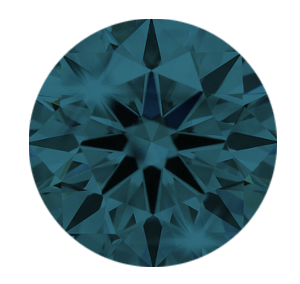
When considering gemstone jewelry like engagement rings, necklaces, and earrings, many buyers are curious about lab-created gemstones' authenticity. Lab-grown gemstones, also called synthetic or cultured gemstones, are indeed real gems. They mirror natural stones in every aspect but offer an ethical and more affordable alternative by bypassing the environmental and social impacts linked with traditional mining practices.
These gems are produced by replicating the natural gem formation process in a controlled laboratory environment. Using sophisticated techniques, scientists simulate the conditions found deep within the Earth where natural gems develop over extended periods.
Initially, lab-grown gems emerge in rough or irregular shapes and undergo cutting and polishing to enhance their brilliance and color. They can be cultivated in a variety of hues and gem types, spanning diamonds, emeralds, rubies, and sapphires. Each gem's color is influenced by trace elements and its ability to refract light, factors that dictate rarity and desirability.
The jewelry industry has embraced lab-created gems for their affordability, consistent quality, and ethical appeal. To the unaided eye, they are often indistinguishable from natural gems and typically require specialized gemological tools to differentiate conclusively.

The production of lab-grown gemstones involves a specialized process known as gemstone synthesis. It begins with the meticulous selection of raw materials tailored to the specific gemstone being created. These materials vary depending on the type of gemstone desired.
Seed crystals are often employed as templates for growth, fostering controlled growth conditions within a growth chamber or reactor. These controlled environments replicate the natural conditions necessary for gemstone formation, enabling crystals to develop gradually. The quality of gem-grade crystals is achieved through precise control of temperature, pressure, and chemical composition throughout the growth process.

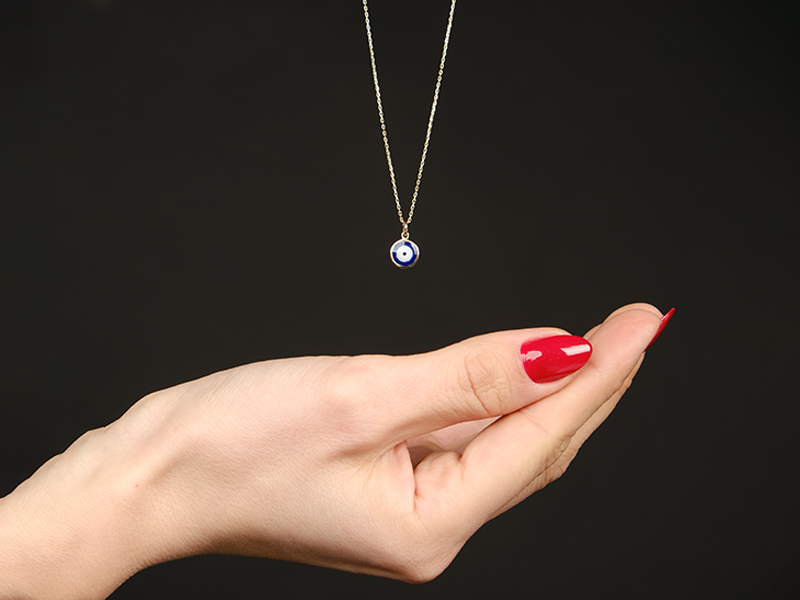
Lab-grown gemstones are highly regarded for their ethical advantages, primarily stemming from their production methods that bypass harmful mining practices. Unlike natural gemstones, which often involve environmentally damaging mining practices, lab-created gems are cultivated in controlled laboratory settings. This approach mitigates environmental impact and avoids disruption to local ecosystems.
Moreover, lab-grown gems are considered conflict-free. By eliminating the involvement of entities like warlords, drug cartels, and dictators, who often exploit natural gemstone mining in conflict zones, these gems promote ethical sourcing practices. Additionally, lab-grown gem production adheres to local labor laws and provides fair wages to workers, supporting sustainable livelihoods.
Another notable benefit of lab-grown gemstones lies in their consistent quality and clarity. Produced under precisely controlled conditions, these gems exhibit uniformity in their characteristics, including color and purity. Each gem can be traced back to its exact origin and production process, offering consumers transparency and peace of mind regarding their ethical and environmental footprint.
/leaf.png )
The creation of lab-grown gemstones in controlled laboratory environments not only ensures consistent quality but also brings about positive environmental and social impacts. By circumventing traditional mining practices, lab-grown gemstones significantly reduce environmental disruption. Moreover, their production in controlled settings eliminates the social issues often associated with mining, such as labor exploitation and conflict involvement. This approach supports ethical sourcing practices and promotes sustainable livelihoods for workers involved in the gemstone industry.
/diamond i.png)
Lab-grown gemstones undergo meticulous manufacturing in controlled environments, enabling precise management of their color, clarity, and overall quality. This controlled setting ensures consistency and enhances the gemstones' aesthetic appeal, making them highly desirable for consumers seeking reliably high standards in their jewelry pieces.
/diamond.png2.png)
Lab-grown gems offer the advantage of obtaining larger or superior-quality stones at a significantly lower cost compared to their natural counterparts. This affordability allows consumers to access larger or more exquisite gemstones without the premium price tag associated with naturally mined gems.
| LAB-CREATED GEMSTONES | MINED GEMSTONES | |
|---|---|---|
| Formation process | Produced in a laboratory setting through either high-pressure, high-temperature (HPHT) or chemical vapor deposition (CVD) techniques | Naturally developed within the Earth's crust over millions of years |
| Origin | Man-made | Extracted naturally from the Earth |
| Availability | Can be manufactured in significant quantities on demand | Restricted by the availability of natural reserves |
| Cost | Typically more affordable than their mined counterparts | Costs fluctuate based on rarity and quality |
| Quality | Uniform in color, clarity, and size | Naturally occurring differences in color, clarity, and size |
| Environmental Impact | Minimal environmental impact | Mining operations can lead to substantial environmental impacts |
| Ethical Considerations | Free from ethical issues associated with labor or mining practices | May include mining practices that raise human rights and environmental issues |
| Customization | Can be customized with precise properties and colors | Constrained by the inherent variations found in mined gemstones |
Each month of the year is linked with a unique gemstone, known as that month’s birthstone. Beyond their natural beauty, birthstones are believed to possess specific qualities that enhance the wearer's attributes. For individuals born in the corresponding month, wearing their birthstone is often considered to bring good fortune and protection. This makes birthstone jewelry a thoughtful and personalized gift choice, symbolizing both aesthetic appeal and meaningful sentiment.

Originating from Ancient Egypt, garnet is celebrated as January’s birthstone. Its signature deep red hue is iconic, though it appears in various shades. Garnet is traditionally believed to provide protection from harm and danger, symbolizing vitality, prosperity, and love.
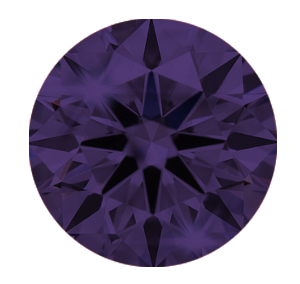
February's birthstone, amethyst, is famed for its stunning array of purple shades. Historically linked with royalty, this gemstone has graced numerous regal jewelry pieces since medieval times. Today, amethysts are cherished not only for their beauty but also for their spiritual associations, believed to promote mental clarity and healing.
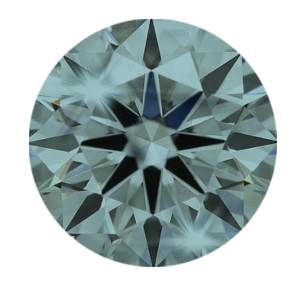
March's birthstone, aquamarine, displays a spectrum of hues ranging from serene pale blues to greens. Its name, derived from the Latin for "water of the sea," reflects its longstanding association with maritime protection. Beyond safeguarding travelers on water, aquamarine is believed to foster marital happiness and enhance intellectual prowess.
April's birthstone, diamonds, are revered not only for their exceptional beauty and value but also as symbols of strength and eternal love. Their unparalleled brilliance and clarity mirror these enduring qualities, making diamonds a timeless expression of durability and radiant allure.
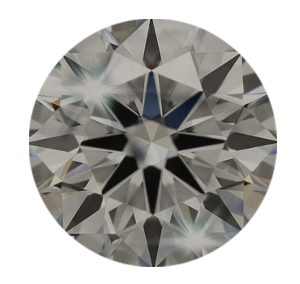
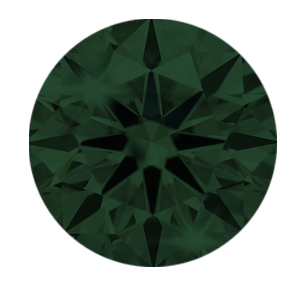
Emerald, esteemed as May’s birthstone for its vibrant green shades, ranks among the most prized gemstones. Beyond its beauty, it is believed to stimulate intellect, foster clear thinking, and facilitate healing. Emeralds are cherished symbols of mystery and romance, captivating wearers with their allure and symbolism.
Pearls, the timeless birthstone for June, symbolize honesty, wisdom, and purity. Associated with divine attributes, wearing pearls is believed to bestow longevity and prosperity upon the wearer. While classic pearls are typically white, they also come in shades like soft pink and deep blue, ensuring their enduring popularity through the ages.

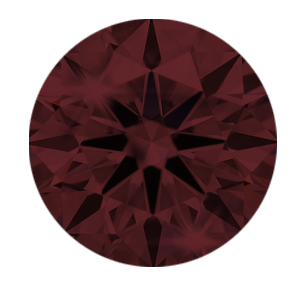
Ruby, revered as July's birthstone for its rarity and intense red hues, is cherished for its durability and symbolic meanings. It is believed to enhance strength, guide through moments of passion, and temper fiery emotions. This exquisite gemstone is also thought to have profound connections to the human body and is believed to bring good fortune to those who wear it.
Peridot, known as August’s birthstone, holds a unique origin tied to meteorites from outer space, earning it the nickname of an extraterrestrial gem. Recognizable for its vivid yellow-green hue, peridot is believed to possess protective qualities, guarding its wearer from evil, especially during nighttime. Its vibrant color is also associated with prosperity and opportunities, making peridot jewelry a cherished symbol of optimism and good fortune.

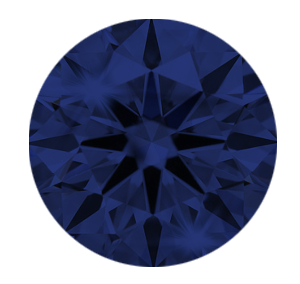
Sapphire, esteemed as September's birthstone for its exceptional value, is revered for its protective qualities, believed to safeguard its wearer from physical harm. With a rich history steeped in both medicinal and spiritual traditions, sapphire has adorned royal collections for centuries. Renowned for its remarkable durability and range of exquisite hues, from deep royal blues to delicate rose pinks, sapphire remains a coveted gemstone choice in jewelry.
Opal, celebrated as October's birthstone, has enchanted cultures with its mystical properties. Revered by the Greeks for its believed power of prophecy, opal mesmerizes with its fiery glow and mesmerizing play of colors. These shifting hues are often associated with themes of light, magic, and healing, making opal a symbol of enchantment and spiritual insight.

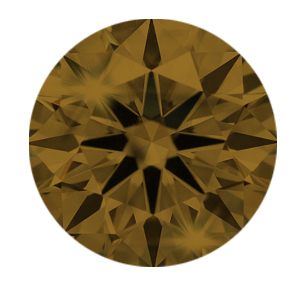
Citrine, November's birthstone, draws its name from the French word for lemon, reflecting its vibrant hues ranging from sunny yellows to rich oranges. Celebrated for its association with happiness and healing, citrine is prized for its versatility and popularity. Believed to bring relief and impart a sense of calm to its wearers, citrine is often chosen as a meaningful gift for loved ones.
Topaz, December’s birthstone, showcases a wide range of colors from vibrant blues to gentle pastels. Traditionally, it was believed to ward off illness and anger while fostering peace and clarity. Today, topaz is still associated with protection and prosperity. Celebrated for its beauty and symbolism, topaz is a popular choice for jewelry and is also traditionally gifted for the fourth wedding anniversary.